I recently came across a discussion on Reddit’s r/Professors forum that raised an interesting question about online education. One professor explained why an experience with a student had made him reluctant to trust online degrees.
The discussion got me thinking about how quickly personal experiences can shape our opinions about an entire form of education.
I understand why some professors have concerns. They may question whether students have genuinely mastered their subjects, especially when assessments are poorly designed or academic dishonesty goes undetected.
With AI tools becoming more common, these concerns are worth taking seriously.
However, I don’t think one disappointing experience should determine how we judge every online graduate. Online programmes vary considerably in their teaching methods, assessment standards and academic expectations.
Some require demanding examinations, research projects, live discussions and practical assignments.
Others may offer less rigorous learning experiences. The same differences in quality can also exist between traditional institutions.
For me, the important question is whether a student has acquired the knowledge and skills their qualification claims to represent.
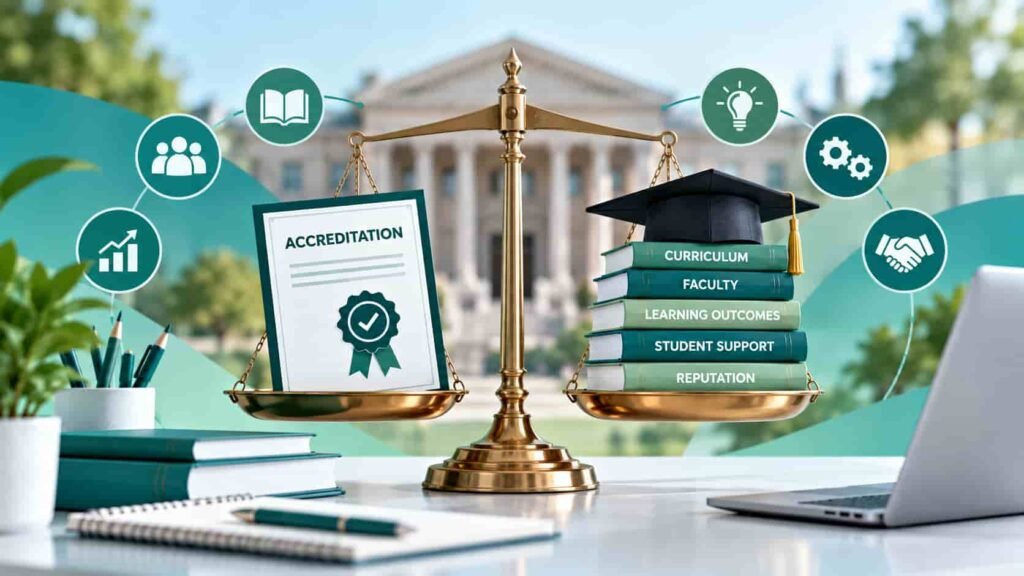
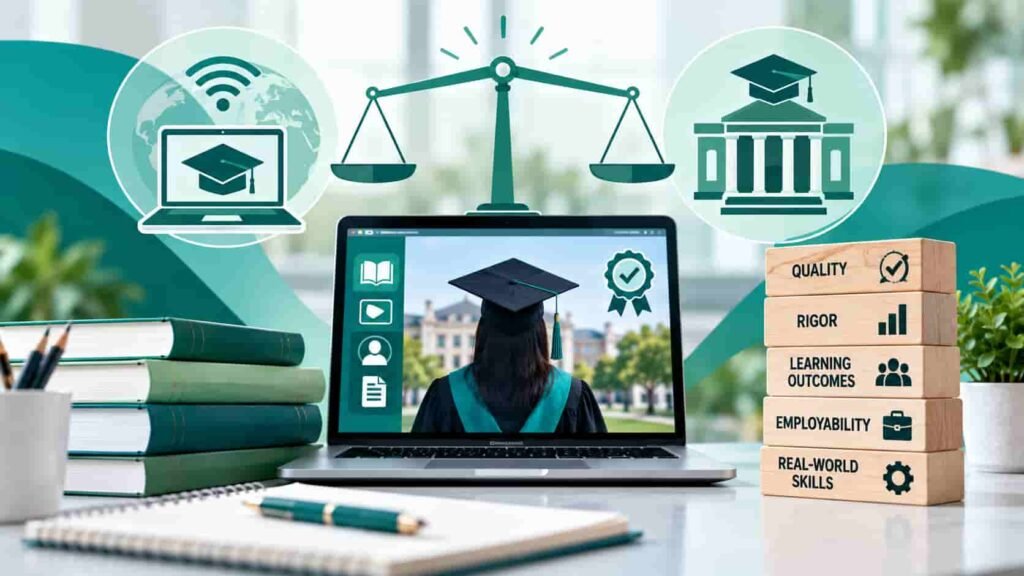
The delivery method matters less than the quality of teaching, the credibility of the institution and the standards used to assess learning.
Online universities must take responsibility for ensuring their graduates meet those standards. At the same time, employers and academics should avoid dismissing qualifications simply because they were earned remotely.
What do you think? Is distrust of online degrees justified by concerns about academic standards, or are some people still judging online education by outdated assumptions?